Home security systems protect your property, belongings, and family by detecting intruders, sending alerts, and recording activity. A modern setup combines alarms, sensors, cameras, and smart technology to keep your home safe and give you control wherever you are.
With more homeowners across the UK choosing connected and app-based systems, understanding how everything works together makes installation, maintenance, and upgrades much easier.
How Alarms, Sensors and Cameras Work Together
Home security systems rely on a combination of sensors, alarms, and cameras to detect unusual activity. Motion and contact sensors are designed to pick up movement or entry through doors and windows, triggering an audible siren to scare off intruders and alert occupants.
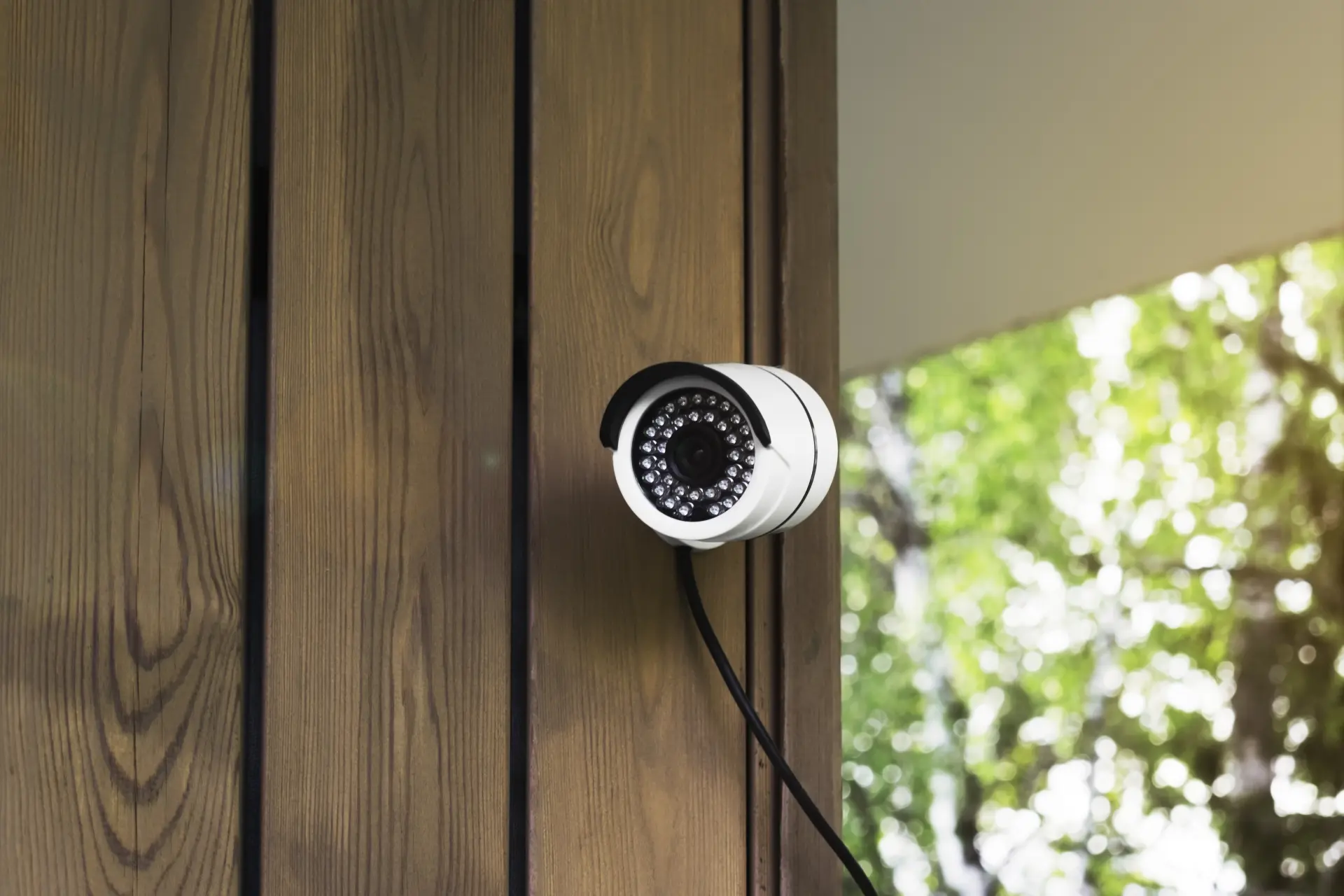
CCTV and doorbell cameras record high-quality video and often send instant notifications to your phone. Many systems allow you to view live footage, zoom in, or speak through two-way audio. Combining these features gives full coverage inside and outside the property, reducing the chance of unnoticed intrusions.
Keypads, key fobs, and mobile apps make it easy to arm or disarm your system, while monitored packages can automatically contact the police or a security centre. In the UK, professional alarm monitoring services typically cost between £20 and £40 per month depending on the provider.
Wired or Wireless Systems
Hard-wired systems are fitted directly into your home’s electrical network, offering stable performance and minimal interference. They are often chosen for new builds or major renovations where cables can be installed discreetly.
Wireless systems use radio or Wi-Fi signals to connect sensors, cameras, and control panels. They are ideal for existing homes or rented properties because they are quick to set up and do not require drilling or rewiring. Most wireless sensors run on long-life batteries and send alerts when they need replacing.
Many UK homeowners choose hybrid systems that combine the reliability of wired power with the flexibility of wireless communication. Both options use encrypted links to protect your data and maintain secure operation.
Setting Up the Control Panel and App
The control panel is the central hub that connects all devices in your home security system. It should be placed in a convenient but discreet location, usually near the main entrance, where it is easy for you to reach but not visible to outsiders.
Most panels now link directly to a smartphone app, allowing you to arm and disarm the alarm, view camera feeds, and receive instant alerts. Some apps also log activity, showing when the system was used or which sensor triggered an alert. This is especially useful for busy households or small businesses with multiple users.
For extra security, create unique codes for each person, enable fingerprint or face recognition on your app, and schedule automatic arming when everyone leaves. Many systems also connect to voice assistants so you can control them hands-free.

Monitoring Options and Alert Systems
There are two main ways to monitor a home security system: self-monitoring or professional monitoring. With self-monitoring, you receive notifications directly to your smartphone whenever movement or noise is detected. You can then check your cameras and decide whether to contact the authorities yourself.
Professional monitoring services operate 24 hours a day, watching for alerts and taking action on your behalf. They may contact you, dispatch security staff, or call emergency services. This gives extra peace of mind if you travel frequently or own multiple properties.
Battery backups ensure your alarm continues to operate during a power cut, while systems with mobile network modules can send alerts even if Wi-Fi fails. To prevent hacking or interference, use strong passwords and regularly update your system’s software.
UK Rules on Cameras and Privacy
Homeowners are allowed to install CCTV and doorbell cameras, but they must follow privacy rules if the cameras capture footage beyond their property boundary. This includes driveways shared with neighbours or pavements used by the public. In such cases, the images are covered by UK GDPR and must be handled responsibly.
Always aim cameras only at areas you need to protect, avoid filming neighbours’ gardens, and make sure any recordings are stored securely. Delete footage that is no longer required, and use camera software features that let you mask or blur private zones. Clearly displaying a sign that recording is in place can also help deter potential intruders while keeping you compliant with privacy laws.
Looking for reliable electronic security solutions? Redwood Electrical Services installs and maintains advanced security and surveillance systems across Woking, Guildford, Cobham and nearby areas. Our services include CCTV, alarm systems, automated gates and smart home integration to keep your property secure day and night.